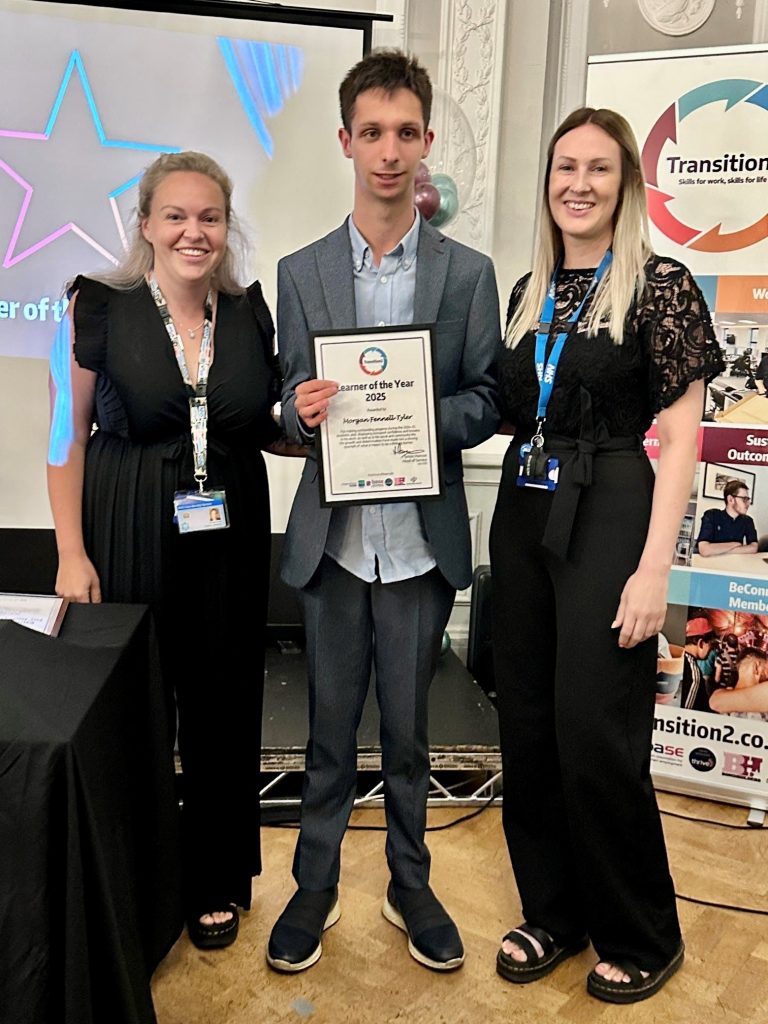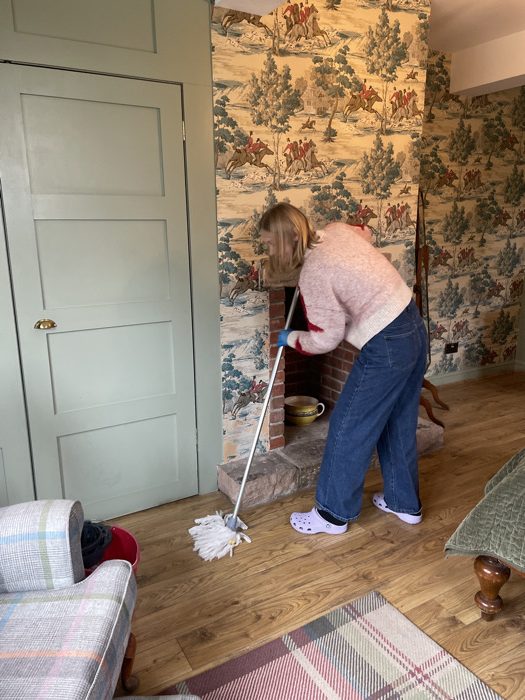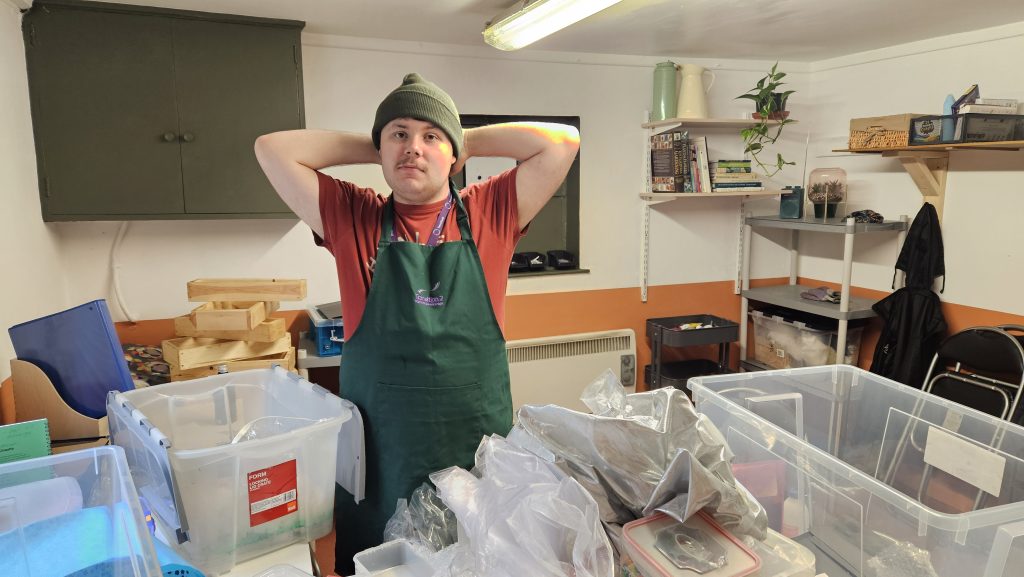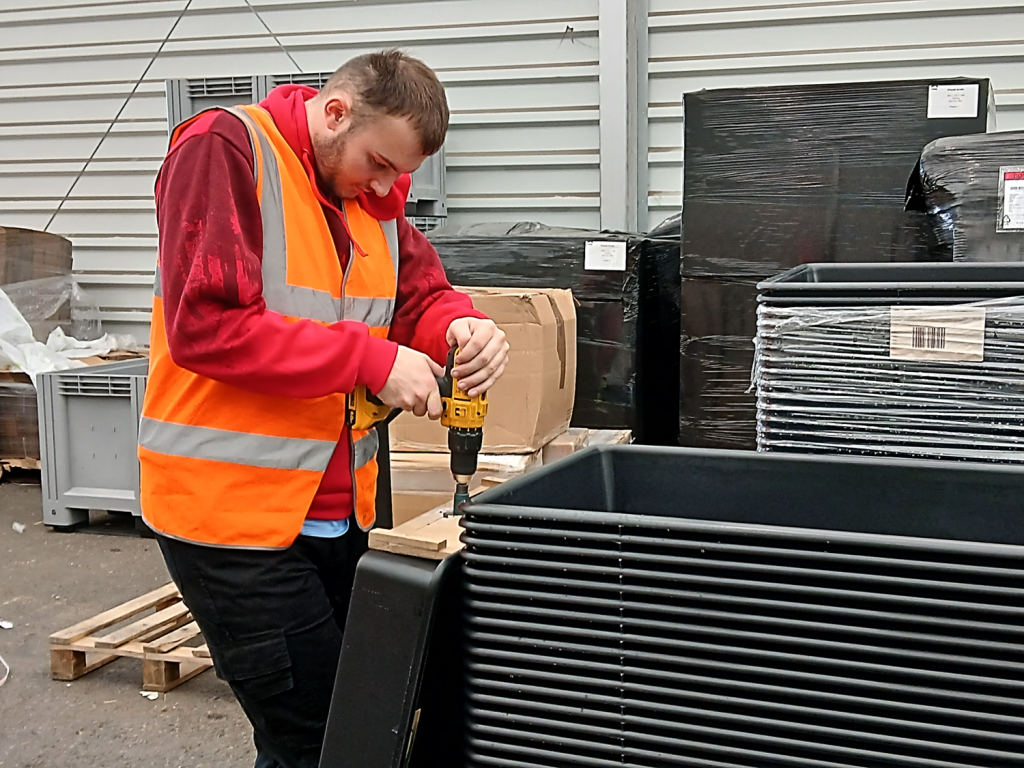
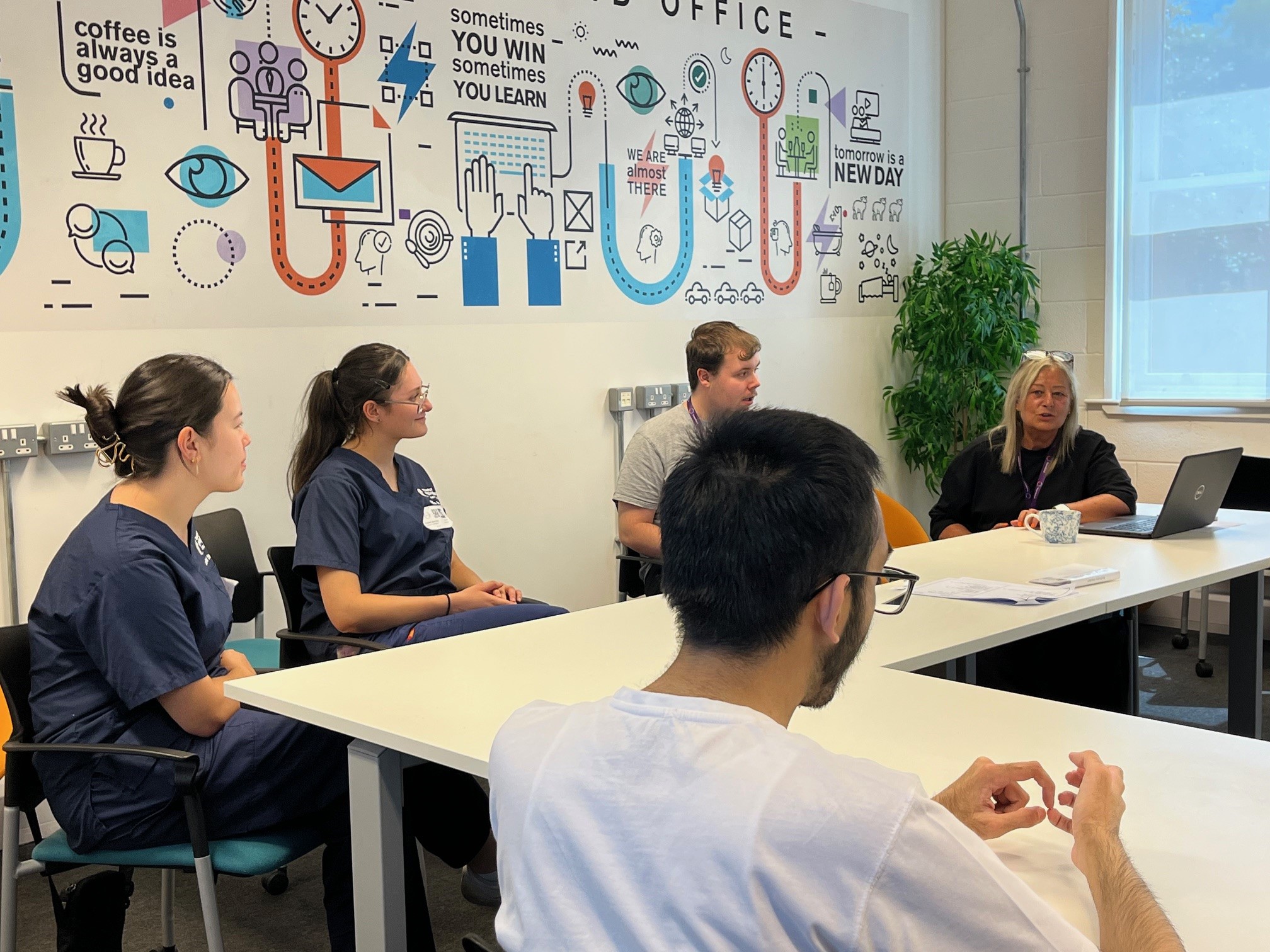
The collaboration between Derby City Council’s Transition2 and the Psychiatry Teaching Unit (PTU) at Derbyshire Healthcare NHS Foundation Trust has grown into a deeply valued and mutually enriching partnership – one that continues to deliver powerful, lasting outcomes for everyone involved.
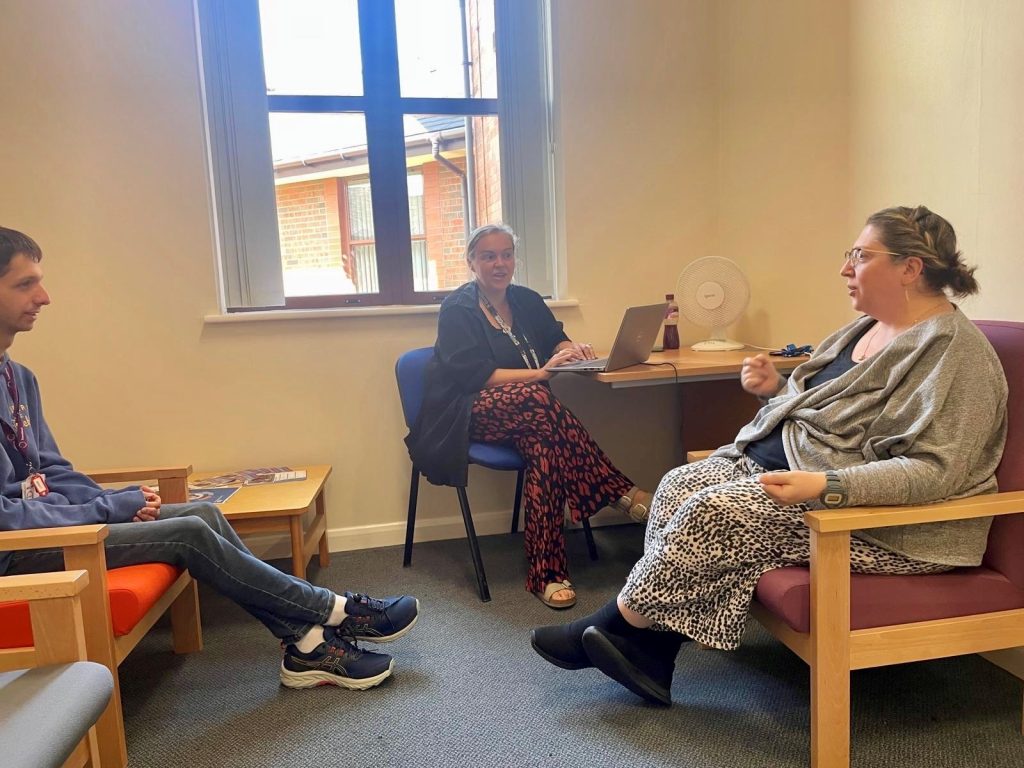
At its heart, this relationship showcases how meaningful connection and purposeful collaboration can improve understanding, inspire growth, and build a more inclusive and compassionate future for health and social care.
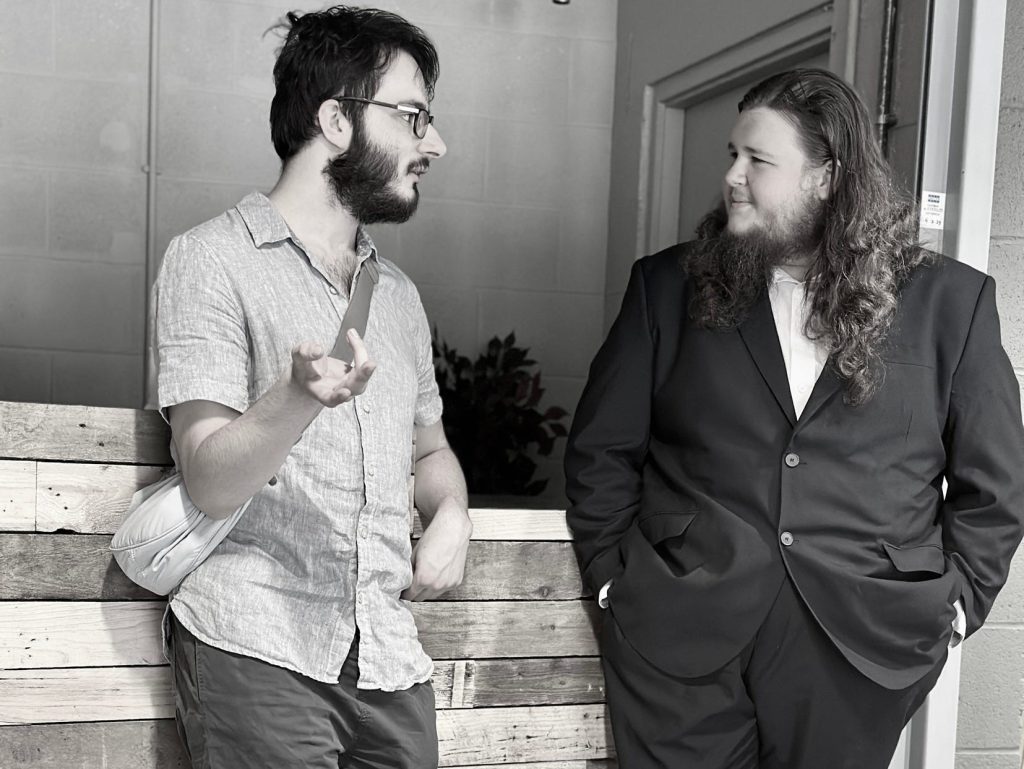
This partnership offers a rare and invaluable opportunity for PTU medical students to spend time with Transition2 learners, all of whom have learning disabilities, autism, ADHD, or learning difficulties. Through structured sessions and informal interactions at Transition2, PTU medical students engage in real conversations, shared activities, and reflective learning – experiences that go far beyond what a textbook or clinical placement can provide.
For Transition2 Learners: Confidence, Communication, and Connection
Transition2 learners gain so much from their interactions with medical students. These sessions provide a supportive space to practise communication skills – listening actively, asking thoughtful questions, and expressing their own stories and perspectives. Many learners speak confidently afterwards with staff, family, and peers about their experiences, often reflecting on what they’ve learned about health and wellbeing.
Their understanding of both physical and mental health deepens, as does their awareness of how and where to seek support. Crucially, these interactions also help demystify medical roles, making future health appointments feel more approachable and collaborative.
For some learners, there’s a direct route into meaningful employment via the Expert Patients Programme – a paid opportunity to contribute to medical education by sharing personal experiences and participating in student consultations. This is not only a source of pride and income, but also a clear example of the learners’ valuable contribution to shaping the next generation of healthcare professionals.
For PTU Medical Students: Insight, Empathy, and Holistic Care
From the medical students’ perspective, the partnership with Transition2 fills a critical gap in their education. While their curriculum includes teaching on learning disabilities, it can be difficult during traditional placements to connect with individuals who are open to sharing their experiences – particularly when other mental health challenges are present.
At Transition2, medical students gain unique insights into SEND by spending time in a welcoming, real-world setting. They observe first-hand the varied lived experiences of young adults with autism, ADHD, and learning disabilities, including the less visible challenges, family dynamics, and the need for nuanced, individualised communication strategies.
The environment at Transition2 offers PTU students the chance to build rapport, practise communication in a meaningful way, and receive authentic, constructive feedback – often directly from the learners themselves. This safe, relational setting allows students to experiment, reflect, and refine their approach in a way that stays with them throughout their careers.
They also come to better understand the importance of multidisciplinary teamwork, the value of specialist agencies, and the crucial role of signposting in supporting physical, mental, and social wellbeing and connection. Many students are so positively impacted that they request additional time at Transition2, seeing the experience as a vital part of their development as compassionate, holistic clinicians.
The Expert Patients Programme: Learning Through Lived Experience
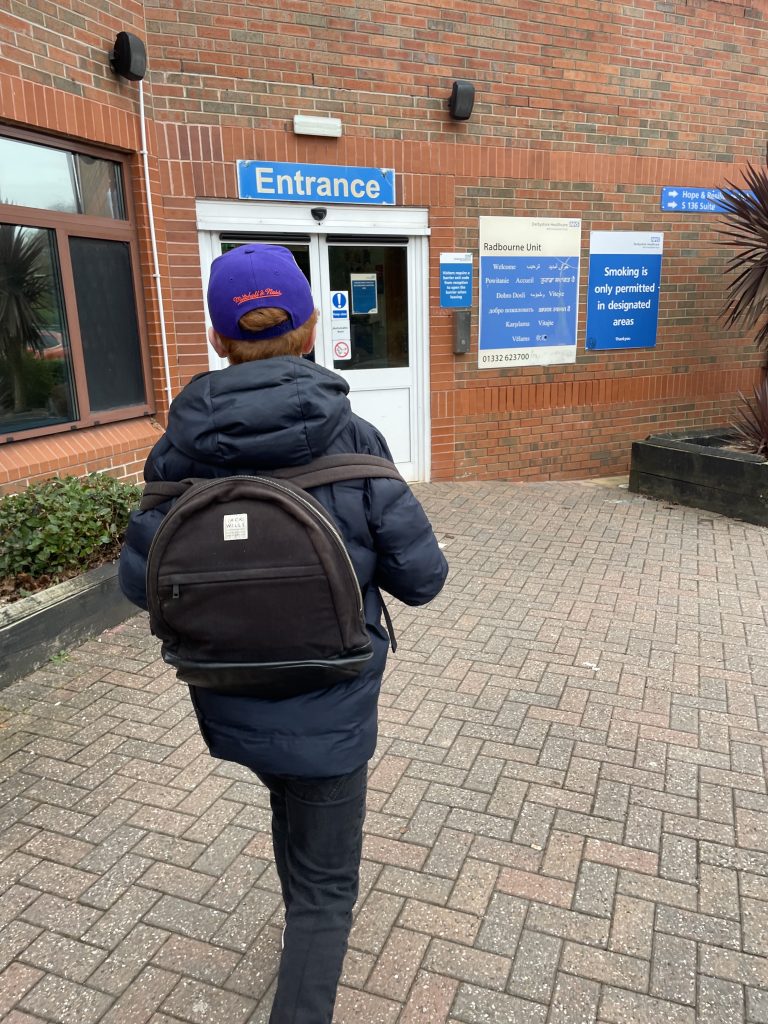
The Expert Patients Programme has been particularly impactful. Transition2 learners are welcomed into PTU settings, where they participate in structured consultations that help medical students practise history-taking, risk assessment, management planning, and patient-centred communication. Students consistently express gratitude for how open and insightful the learners are – recognising the huge value in learning directly from people with lived experience.
These sessions offer a rare, authentic chance to explore difficult topics with guidance and support. Learners also benefit, developing the confidence to engage with medical professionals in environments that feel safe, respectful, and empowering. In many cases, learners ask students their own questions – opening up a two-way dialogue about how healthcare partnerships can be improved. These honest conversations are often described as “immeasurable” in their impact.
Looking Ahead: A Growing Legacy
The feedback from PTU medical students has been overwhelmingly positive, with many describing the experience as a highlight of their training. Likewise, Transition2 learners report feeling proud, valued, and more confident as a result of their involvement.
This partnership is not just about learning skills – it’s about building understanding, breaking down barriers, and shaping the future of inclusive healthcare. It reminds us that when people are seen, heard, and empowered to contribute, everybody benefits.
As we look to the future, we’re excited to see how this partnership continues to grow – supporting the development of thoughtful, informed medical professionals, and championing the voices of young people with learning disabilities in ways that are both meaningful and lasting.
Feedback from PTU students and staff:
“Just wanted to send a quick email saying thank you for offering me the opportunity to go to the college this morning. We all had such a lovely time, and I think it might be my favourite thing that I’ve done on this placement. Everyone was really friendly, and I really enjoyed spending time with the learners and seeing the staff interact, it seems like such a happy and fun place to work”.
“The expert patients were great. I especially liked Harry and Morgan from Transition2 and I felt genuinely invested in their journey at Transition2.”
“Our Expert Patient Programme offers significant benefits to both our medical students and the T2 College students involved. For our students, engaging with individuals with intellectual disabilities provides valuable insight into the lived experience of intellectual disability – developing their understanding of key features such as cognitive challenges, communication differences, and the importance of tailored, person-centred support. At the same time, T2 students benefit from building increased confidence, life skills, and independence through participating in meaningful conversations and activities with future healthcare professionals. The experience helps build communication and social interaction, breaks down that barrier or power imbalance, while also offering a huge sense of achievement and pride. For both groups, it fosters empathy, awareness, and a deeper understanding of individual support needs and wellbeing – making it a uniquely enriching and positive learning experience!”
Meg Rayner, Lived Experience Educator/Coordinator, PTU, Derbyshire Healthcare NHS Foundation Trust